

Differentiated Foliage Flowers Blaze a New Trail: How Premium Quality, Diverse Assortment, and Tailored Services Are Winning Vietnam’s Market
By Global Trade Pass – Trade Operations Specialist
Date: June 12, 2026
HO CHI MINH CITY / KUNMING – In the fast‑growing floral trade between China and Southeast Asia, one principle stands out: differentiation drives demand. As Vietnam’s middle class expands and its wedding, hospitality, and event industries flourish, the need for high‑end, distinctive flower varieties has never been greater. Global Trade Pass, a dedicated trade operator bridging premium Chinese horticulture with overseas buyers, reports a remarkable surge in Vietnamese orders – not for commoditized blooms, but for carefully curated, differentiated foliage flowers and specialty cuts that stand apart in crowded markets.
“We have moved beyond price‑driven competition,” says the lead trade operations manager at Global Trade Pass. “Vietnamese customers are sophisticated. They want product consistency, unique textures, and reliable year‑round supply. Our strategy of focusing on differentiated foliage flowers – combined with uncompromising quality control, competitive yet fair pricing, and a hyper‑responsive service model – has opened doors that standard exports could not.”
This targeted approach has already paid off. Over the past 18 months, Global Trade Pass has shipped more than 2.5 million stems to Hanoi, Ho Chi Minh City, Da Nang, and emerging provincial hubs, with repeat orders accounting for nearly 70% of export volume. The key? A product portfolio that goes far beyond the usual roses and lilies – though those too are delivered to the highest standard.
As a dedicated fresh flower exporter, Global Trade Plus has built its reputation on superior quality and meticulous service. Our latest success comes from a Korean flower trader in Vietnam: after a first trial of our Yunnan flower export – featuring baby’s breath, lisianthus, and Da Fei Ye – he was amazed by the extremely low waste and perfect opening degree. Leveraging our experience as a trusted China flower exporter, we ensured every stem arrived in pristine condition. Now, he has doubled his order, adding premium rose wholesale items including Luo Shen, Pink Avalanche, and Reflect, plus high‑quality hydrangeas.

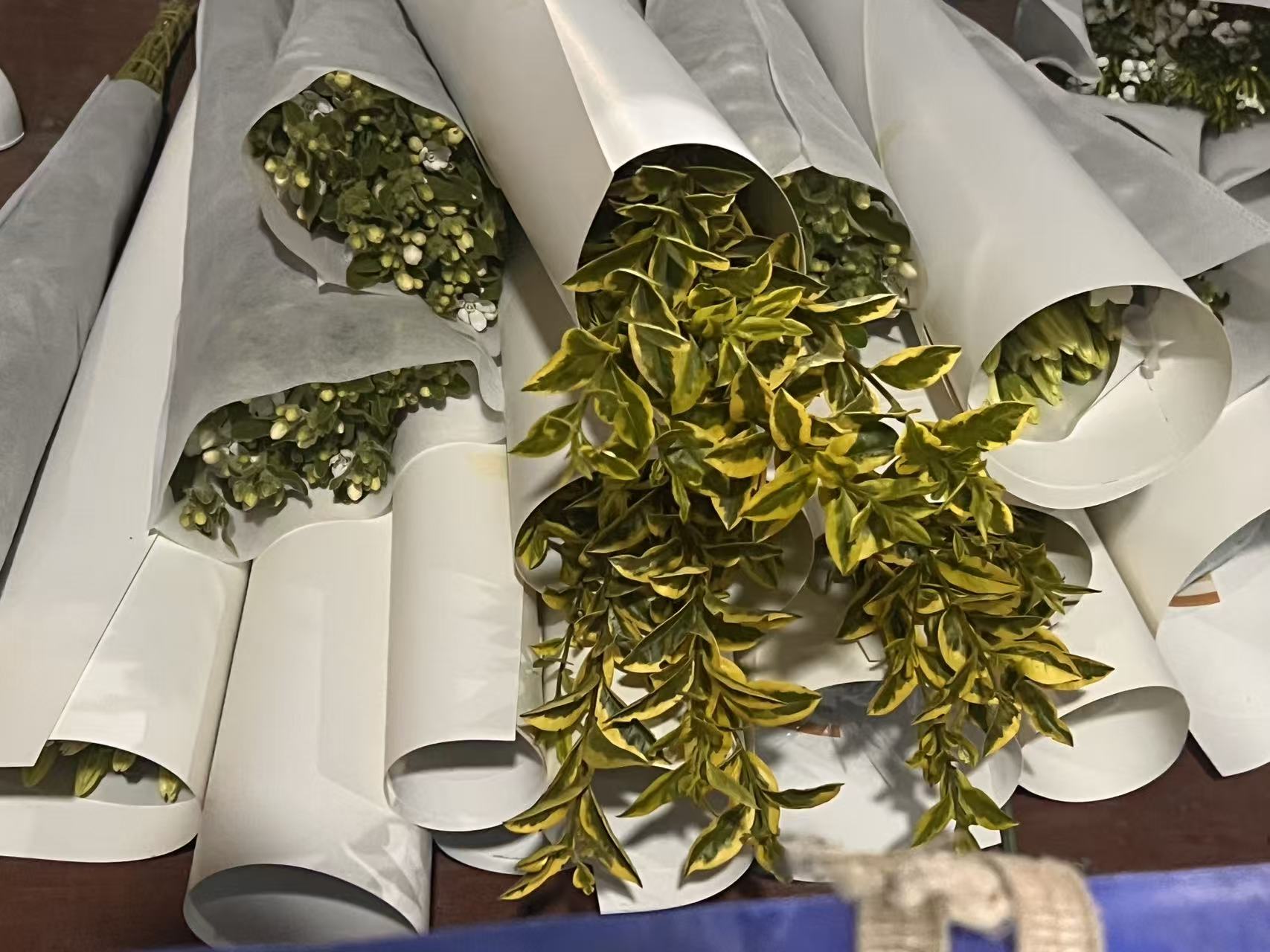
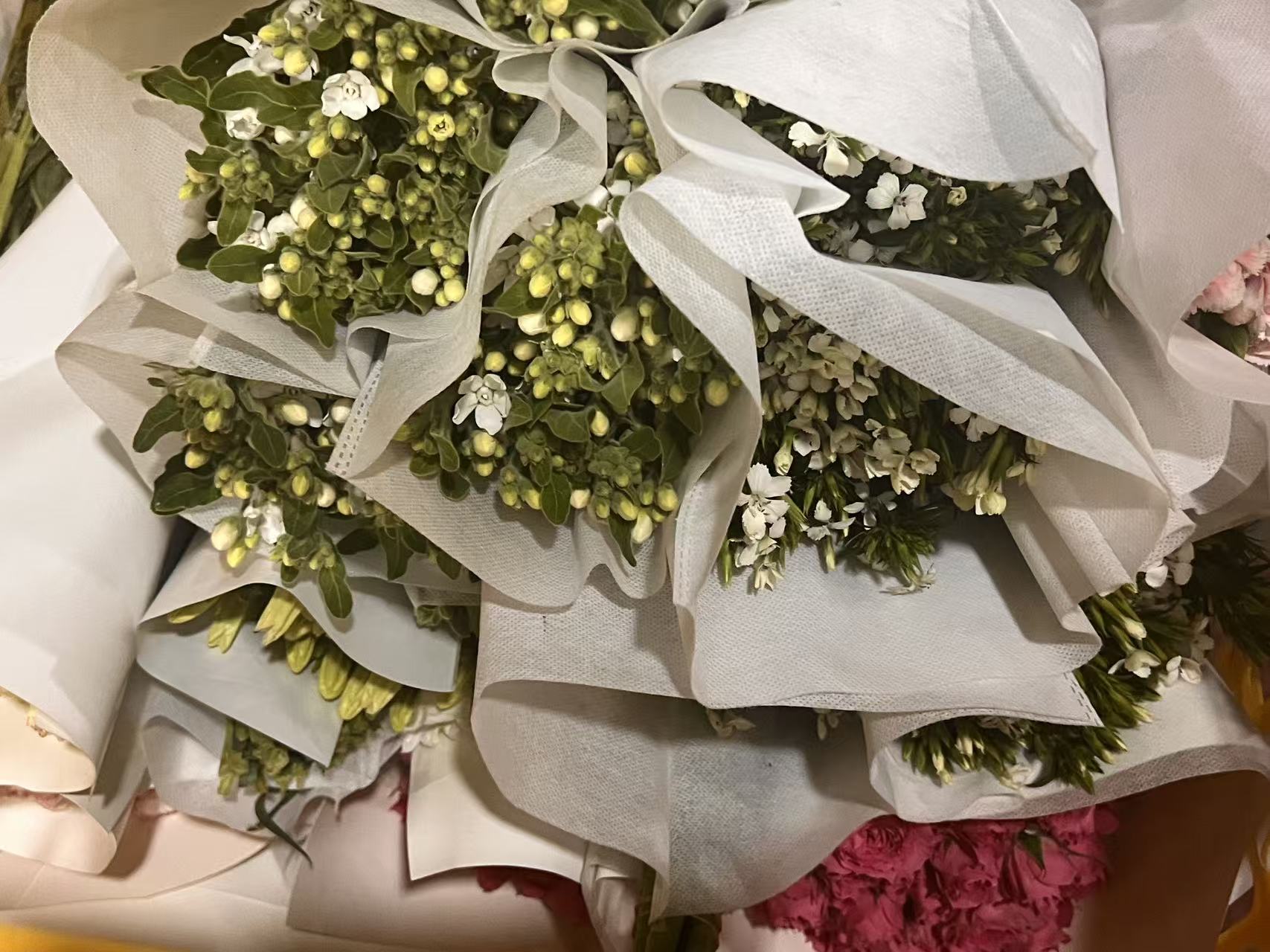
A Rich Palette: From Grass Flowers to Preserved Blooms
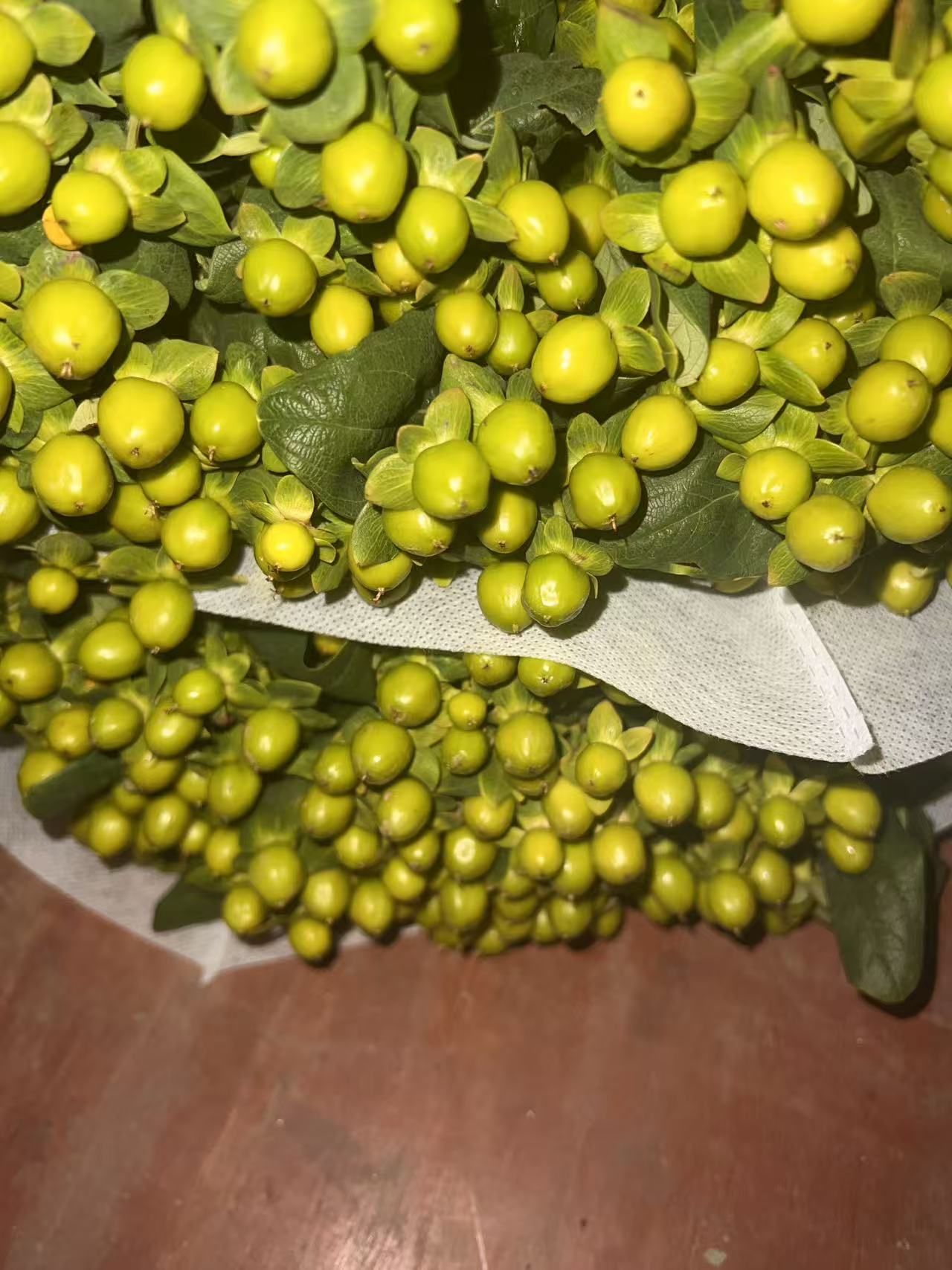
Vietnamese florists, event designers, and supermarket chains have shown particular enthusiasm for foliage and grass flowers – often overlooked in traditional trade. Varieties such as Craspedia (billy buttons), Phalaris (canary grass), Eucalyptus foliage, Hypericum berries, and Ammobium (winged everlasting) have become staples for rustic bouquets, bohemian wedding decorations, and high‑end restaurant centerpieces.
“Two years ago, we could barely find quality preserved grasses in the local market,” says Ms. Tran Thi Lan, purchasing manager for a leading flower importer in Ho Chi Minh City. “Now, Global Trade Pass delivers them pre‑sized, color‑fast, and ready to design. Their dried flowers line – including Limonium, Strawflower, and Lagurus – is equally impressive. The shelf life is excellent, which reduces our inventory losses.”
The complete export assortment includes:
· Fresh cut roses (classic red, pink, white, and novel gradient varieties) – grown under strict climate‑controlled protocols.
· Lilies (oriental, asiatic, and double‑flowered types) – with consistent bud count and robust stems.
· Hydrangeas (mophead, lacecap, and paniculata) – shipped in hydration packs to ensure turgor upon arrival.
· Eustoma (Lisianthus) – prized for its rose‑like charm and long vase life; offered in single and double petals.
· Foliage flowers – over 20 varieties of textural grasses, pods, and seed heads.
· Preserved/dried flowers – naturally dried or glycerin‑treated, ideal for permanent arrangements.
All products are sourced from certified farms in Yunnan, China’s “flower capital,” where altitude, mild climate, and advanced post‑harvest technology give exporters a natural edge. But natural advantage alone is never enough – which is why Global Trade Pass enforces a multi‑stage quality regime.
Uncompromising Quality: From Farm Gate to Border Crossing
“Vietnamese buyers have told us about past disappointments – bent necks in roses, botrytis on petals, mixed varieties in a single carton,” recalls the operations manager. “We closed those gaps by building a quality triangle: farm‑level sorting, cold‑chain monitoring, and destination‑inspection protocols.”
Every shipment begins with field selection. Only stems meeting strict length (40‑70cm for roses; 60‑90cm for lilies; 35‑50cm for foliage), bloom uniformity, and absence of pest damage are harvested. Within two hours, they enter precooling rooms at 2‑4°C. A second culling happens after hydration, followed by grading into three quality tiers – though Vietnam orders are consistently Grade A or premium Grade B.
For foliage and grass flowers, specific care is taken: natural color retention, stem flexibility, and seed‑head integrity are checked manually under LED light. Dried flowers undergo humidity‑controlled packaging to prevent brittleness.
Cold‑chain logistics are equally rigorous. Trucks maintain 2‑4°C with real‑time data loggers; air freight from Kunming to Hanoi or Ho Chi Minh City takes under eight hours, with door‑to‑door delivery temperature recorded. Customs clearance at Lao Cai and Mong Cai border gates is expedited by pre‑submitted phytosanitary certificates – a process refined over dozens of shipments.
“We’ve reduced product rejection rates to below 1.5%,” the manager adds. “That is far lower than the industry average of 5‑7% for cross‑border flower trade. Vietnamese customers have come to trust that each box matches the sample – whether it’s a case of Craspedia or a mixed palette of roses and hydrangeas.”
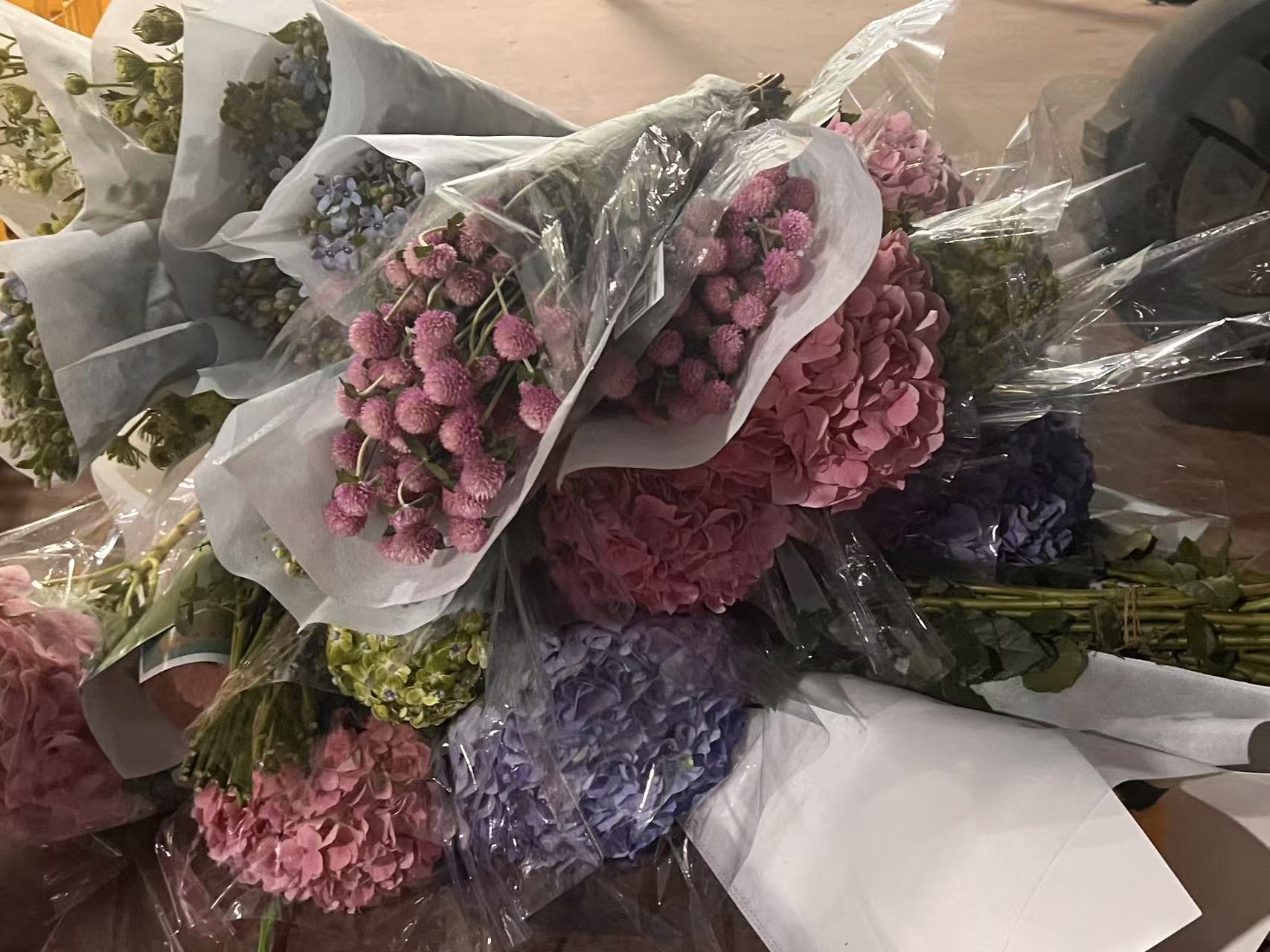
Competitive Pricing – Without the Race to the Bottom
While quality is the headline, price remains a deciding factor. Global Trade Pass employs a value‑based pricing model rather than chasing the lowest possible cost. “We are not competing with bulk, low‑grade flowers from equatorial countries,” explains the operations specialist. “Our Vietnamese partners understand that consistent quality requires investment – in genetics, cold storage, and trained labor. We offer fair, transparent pricing that reflects true production costs and allows them a healthy margin.”
To demonstrate value, the company provides sample‑box programs at half cost, along with volume‑based discounts for repeat orders. For example, a 500‑stem mixed order of premium roses and Eustoma is priced approximately 12% above standard market rates, yet buyers report 30‑40% less waste and higher retail sell‑through. “When you factor in longer vase life and better customer satisfaction, our flowers are actually more economical,” one Ho Chi Minh City florist confirmed.
Moreover, flexible payment terms – 30% deposit, balance against shipping documents – have lowered entry barriers for smaller Vietnamese importers. This inclusivity has widened the customer base beyond large wholesalers to boutique floral studios and online flower shops.
Winning Vietnamese Clients – Again and Again
Repetition is the best market validation. Global Trade Pass now counts over 45 regular Vietnamese buyers, some placing weekly orders. A Da Nang‑based event decorator shares: “We used to source from multiple countries – Thailand, the Netherlands, even Kenya. But coordinating quality was a nightmare. Now, we consolidate 80% of our needs with Global Trade Pass. Their rose selection covers every wedding theme; their hydrangeas arrive crisp; and their dried grasses have become our signature for rustic chic.”
Another client, a Hanoi supermarket chain, launched a “Premium Yunnan Flowers” section in 12 stores, featuring lilies and Eustoma in self‑service bunches. Monthly sales grew 210% year‑on‑year. “The key was consistent supply and clear variety labeling,” says the chain’s produce director. “Global Trade Pass even provided Vietnamese‑language care cards for end consumers. That’s the kind of detail that builds loyalty.”
The company’s after‑sales service further differentiates it. A dedicated Vietnam account manager conducts monthly video calls to review quality feedback, adjust variety mixes, and share market intelligence (e.g., upcoming holiday demand for white flowers during Vu Lan Festival). Additionally, compensation for verified defects is processed within 48 hours – a policy rarely seen in cross‑border flower trade.
Diversification as a Defense and Offense
While roses and lilies remain steady sellers, it is the differentiated foliage and grass flowers that have unlocked new market segments. Vietnamese landscape architects have begun ordering large‑volume Phalaris and Lagurus for urban greening projects. Artisan candle‑makers buy preserved strawflowers for decorative wreaths. Even pharmaceutical cosmetics labs have inquired about dried Calendula and Centaurea for natural bath products.
“This diversification hedges against seasonality and shifts in fashion,” the operations specialist notes. “When rose demand dips between Tet and National Reunification Day (April 30), our grass flowers and preserved botanicals continue moving. It also allows us to offer bundled ‘designer’ boxes – for example, 30% foliage, 40% roses/lilies, 30% dried accents – which simplify procurement for Vietnamese event planners.”
Looking ahead, Global Trade Pass plans to introduce peonies, ranunculus, and anemones to Vietnam, alongside expanded orchid varieties (cymbidium and dendrobium) – all grown under the same strict quality protocols. The company is also piloting a “seasonal forecast” service, alerting buyers three weeks ahead to optimal booking windows, thus avoiding price spikes and logistics bottlenecks.
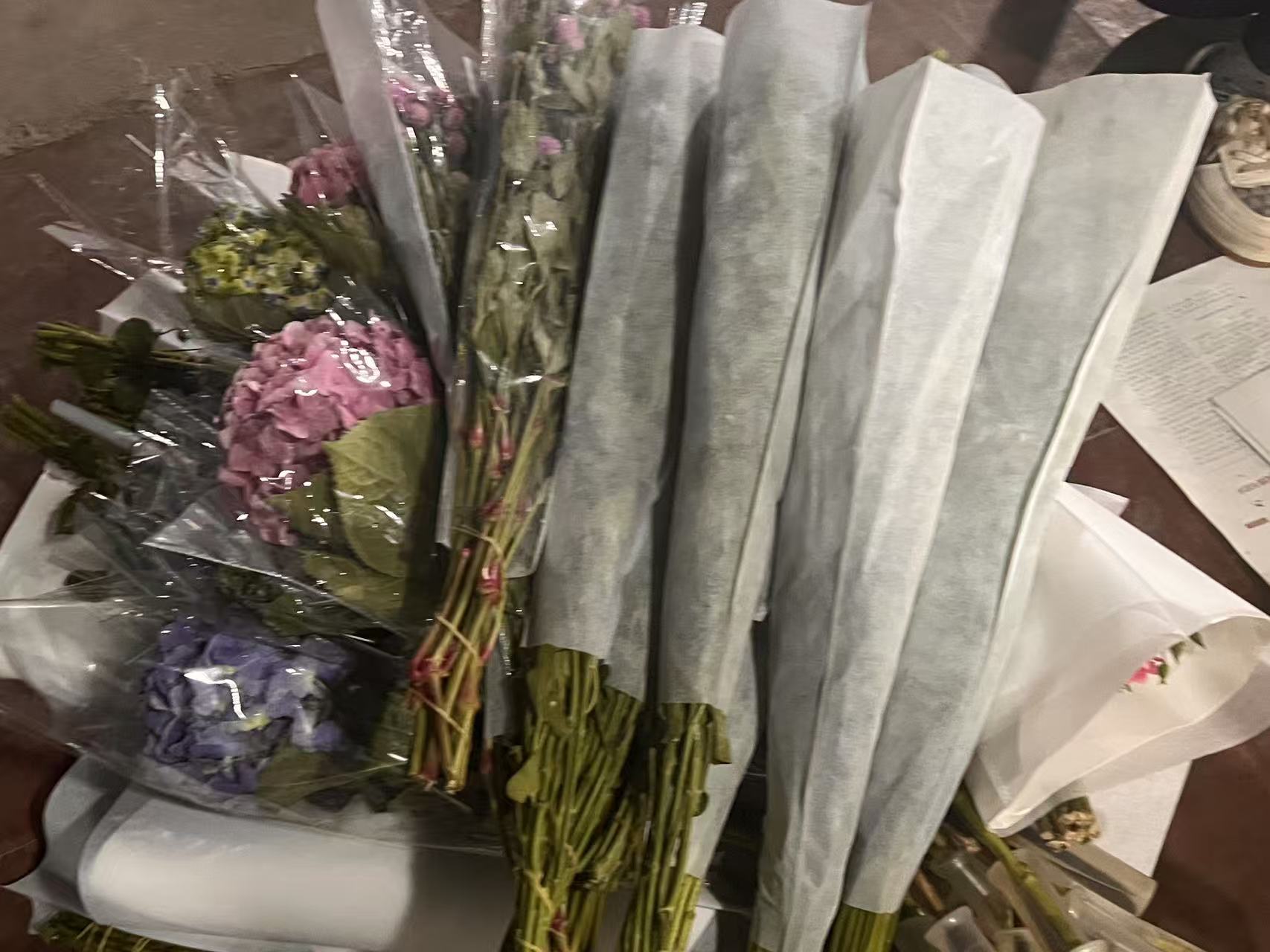
Future Outlook: High‑End Market, High‑Touch Service
The Vietnamese flower import market, valued at approximately $72 million in 2025, is projected to grow at a CAGR of 8.4% through 2030. Global Trade Pass aims to capture 12‑15% of the premium segment within two years – not by flooding the market, but by deepening relationships with quality‑conscious buyers.
“Our motto is ‘differentiation, quality, and partnership’,” the trade operations manager concludes. “We are not a transactional vendor. We are a strategic ally helping Vietnamese businesses elevate their floral offerings. Whether it’s a crate of Craspedia for a destination wedding or a mixed pallet of roses and hydrangeas for a hotel lobby, every shipment represents our commitment to doing high‑end right.”
For Vietnamese importers seeking reliable, differentiated floral products backed by rigorous quality control and responsive service, Global Trade Pass invites inquiries, sample requests, and farm‑visit arrangements. The message is clear: the future of cross‑border flower trade lies not in the cheapest stem, but in the most trusted one.